The charger is the part everyone sees. The civil engineering beneath it is what brings the whole site together. A well-defined groundworks brief helps teams coordinate the power route, foundations, finished surfaces and day-to-day operation of the location.
Start with how the site will be used
A motorway charging hub, a working bus depot and a visitor car park have different demands. Before discussing excavation, agree who will use the chargers, where vehicles will wait and which routes must stay open. Record the existing site layout and identify the interfaces between the operator, designer, electrical team and civil contractor. The result should be a clear brief that describes both the finished installation and the practical constraints of building it.
A useful brief includes the proposed charging layout, vehicle movements, access requirements, existing services information and the intended sequence of work. Where drawings are still developing, identify the decisions that must be resolved before the groundworks package can be finalised. This makes early conversations more productive and reduces the chance of pricing work against different assumptions.
Bring the civil and electrical teams together early
Charging equipment, power infrastructure and civil works need a coordinated layout. Energy Saving Trust highlights that fleet electrification also depends on the site's energy supply and operations. Review electrical capacity and charger selection with the appropriate specialists before fixing civil dimensions or routes. The groundworks package should follow the agreed design, rather than being expected to resolve electrical decisions on site.
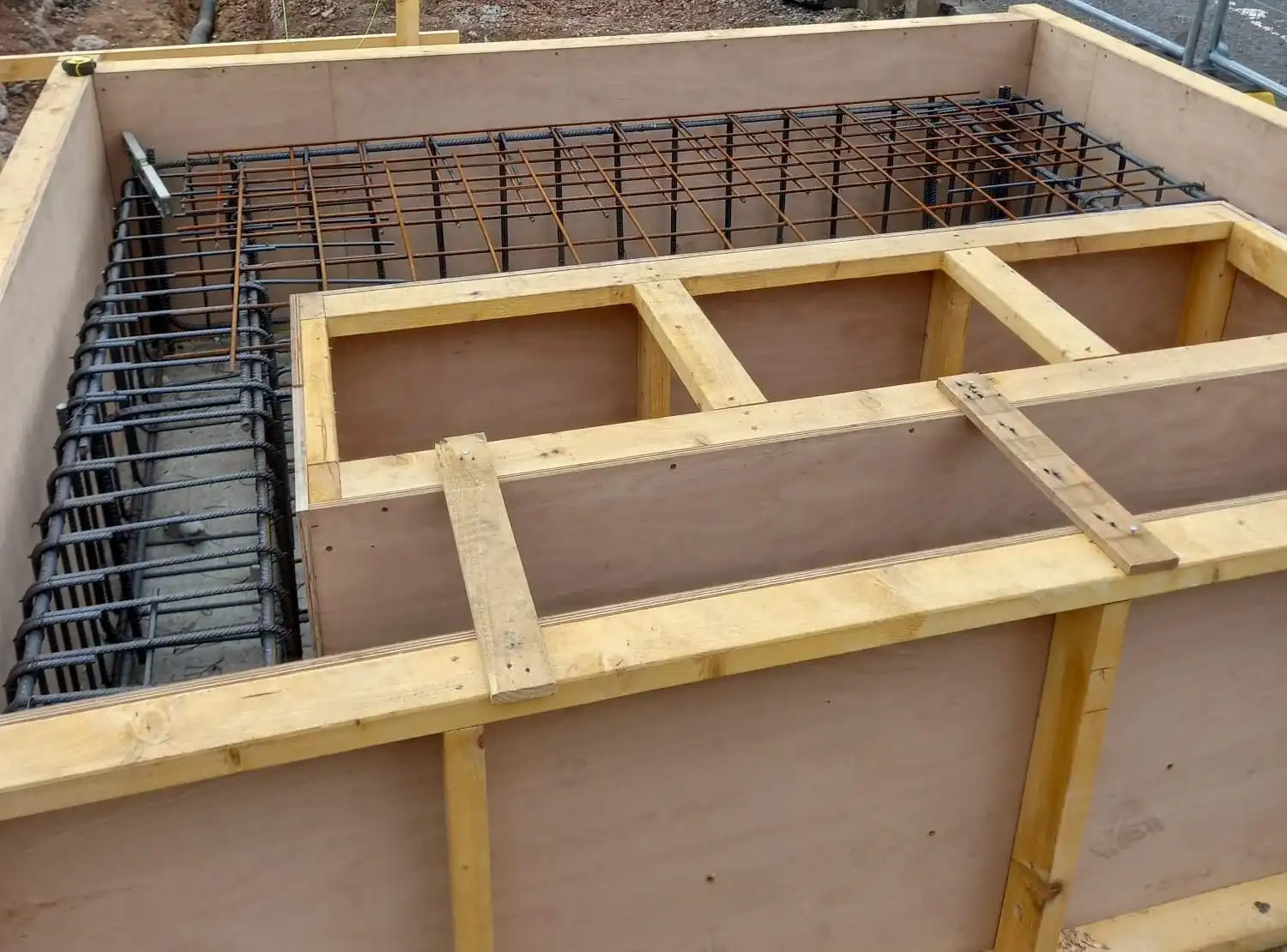
Set out which team supplies the foundation details, duct requirements, equipment positions and connection interfaces. Keep a record of drawing revisions. A change to equipment location may affect several activities: excavation, reinforcement, formwork, cabling access, kerbing and surfacing. Discussing these interfaces early helps the project team see the complete effect of a decision.
Define the underground package
The civil brief should make the proposed excavation and ducting routes easy to understand. Include the relationship between charging bays, equipment bases and connection points. Keep provision for inspection and access in the design conversation. Decisions about additional future capacity should be agreed with the client and relevant specialists, then recorded in the scope.
Existing services need particular attention. HSE guidance addresses the planning, identification and safe excavation work required around underground services. Site records and drawings are useful inputs, but they should be treated as part of the planning process rather than a substitute for a competent assessment of actual site conditions.
Think beyond the equipment base
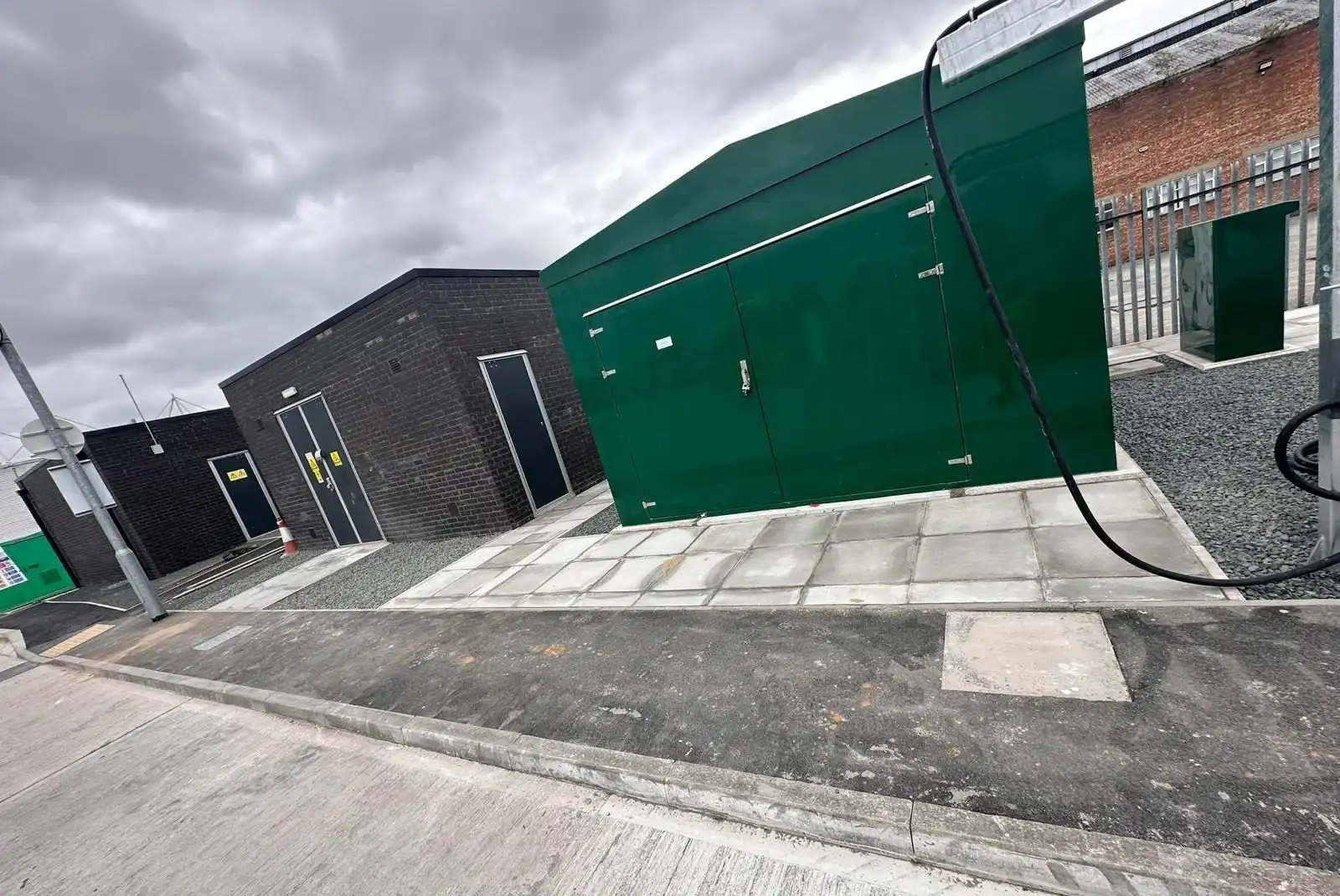
The installation must sit comfortably within a finished site. Consider how kerbs, pathways and reinstated surfaces meet the charging layout. A tidy reinstatement plan helps the operator understand what will be handed back, and gives the civil team a defined finish to work towards. Discuss the relationship between temporary access during construction and the permanent arrangement after completion.
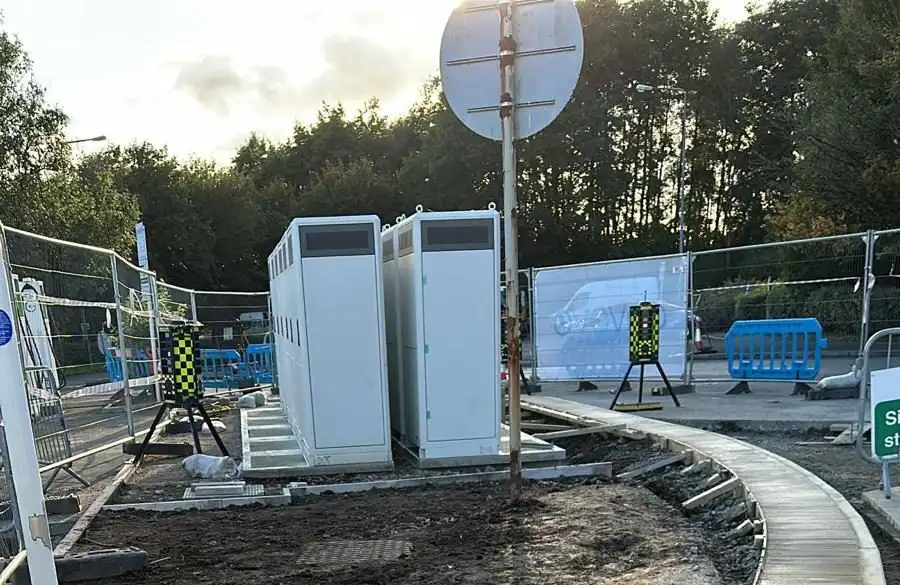
On an operating site, phasing deserves its own conversation. Agree where works can take place, what areas may need to close and how deliveries will be managed. Do not assume that a site can be closed simply because a civil package is ready to start. The operator's requirements should be visible in the programme.
Use a documented handover
A practical handover records what was built, what was inspected and what information the next team needs. Agree the required records at the start of the package. This may include completed work photographs, revised layouts and the status of any outstanding interfaces. A shared checklist is easier to manage than a handover assembled from scattered messages at the end.
FI Construction Services Ltd's published projects include GridServe Kendal, BP Pulse and Warrington Bus Depot. Their case studies show how excavation, ducting, foundations and surface reinstatement fit into EV infrastructure projects. Explore the project pages to see the original descriptions and site photography, then contact the team to discuss a defined civil works brief.
Further reading
Energy Saving Trust: fleet EV infrastructure ↗HSE: avoiding danger from underground services ↗New editorial content prepared for this design concept. General project-planning information; specific work follows the appointed project team’s design and site requirements.