A groundworks package is made up of activities that depend on each other. Understanding the connections makes it easier to define the work, coordinate the teams and recognise the information required at each stage.
Excavation establishes the working area
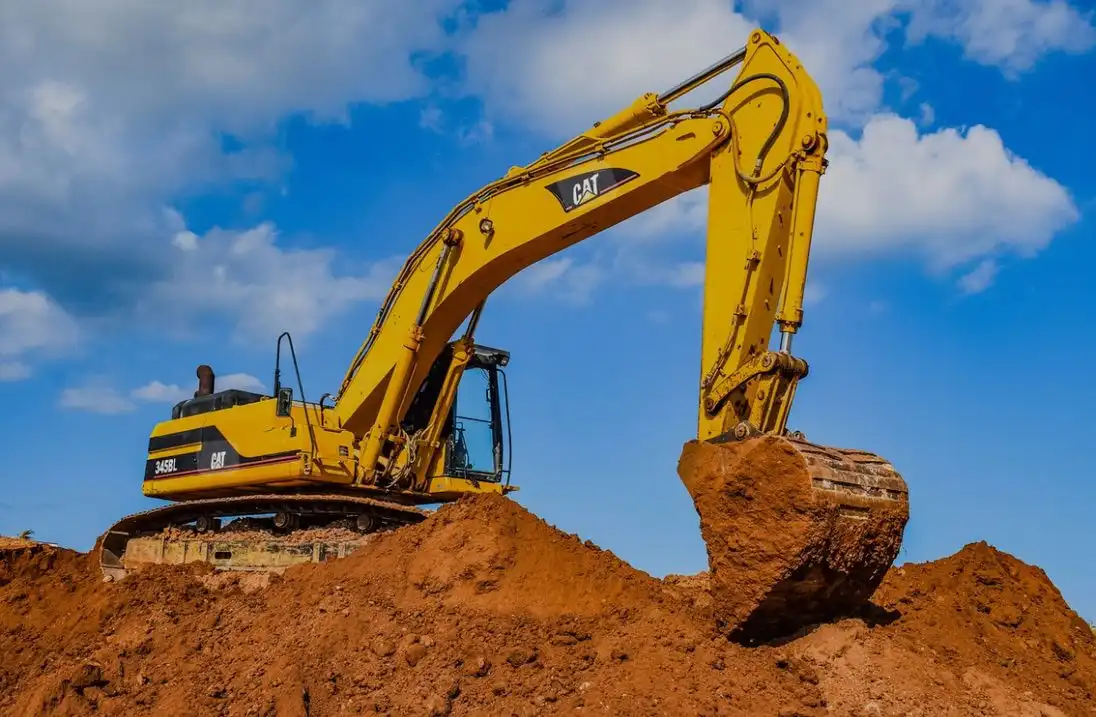
Excavation is often one of the first visible site activities, but it follows planning and design decisions. The proposed layout and levels describe where work is required, while existing site information helps the project team understand what is already present. Those inputs should be reviewed before the excavation package is released.
HSE identifies underground services as a risk that must be addressed before excavation work starts. Its guidance should inform the appropriate project planning and competent assessment. For a client preparing an enquiry, the useful step is to share available site information and highlight where records, surveys or design decisions are still outstanding.
Ducting connects the infrastructure
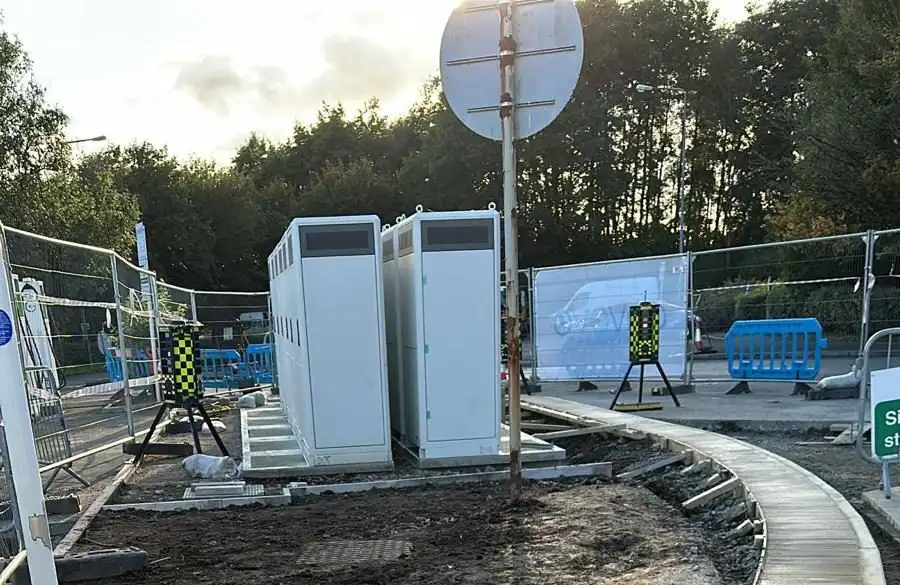
A service route is more than a line on a drawing. Its position affects excavation, crossings, access points and the relationship to equipment or buildings. Review the route with the relevant project specialists, then make the agreed requirements visible in the civil scope. A clear ducting package helps avoid disconnected decisions being made by separate trades.
FI Construction Services Ltd's ducting and cable installation service is part of its published groundworks offering. The original service page explains the described scope. For a new project, agree the responsibilities between civil and electrical teams rather than assuming that one package includes every stage of a connection.
Formwork, reinforcement and concrete follow the design
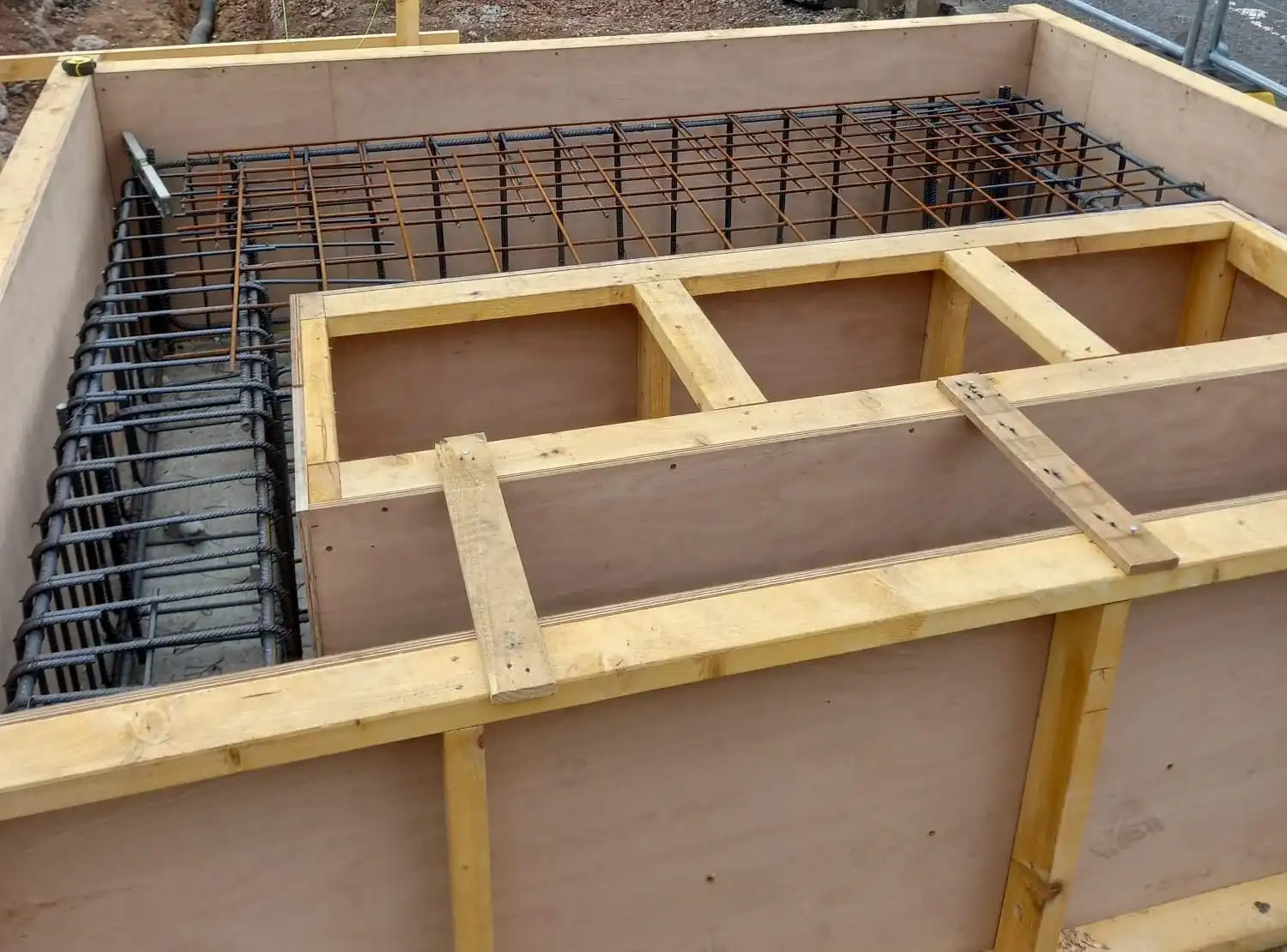
Shuttering gives a concrete element its intended form, while reinforcement and concrete requirements depend on the specified design. The contractor needs coordinated details, not just a broad request for a base or slab. Identify who supplies those details and how revisions will be communicated before setting the construction sequence.
The interface between a concrete element and adjoining works matters. Equipment positions, pathways, kerbs and finished levels should be considered together. A base that is correctly built to one drawing can still create a coordination problem if the wider layout has changed. Keep the package linked to the current set of design information.
Brickwork, blockwork and paving complete the setting
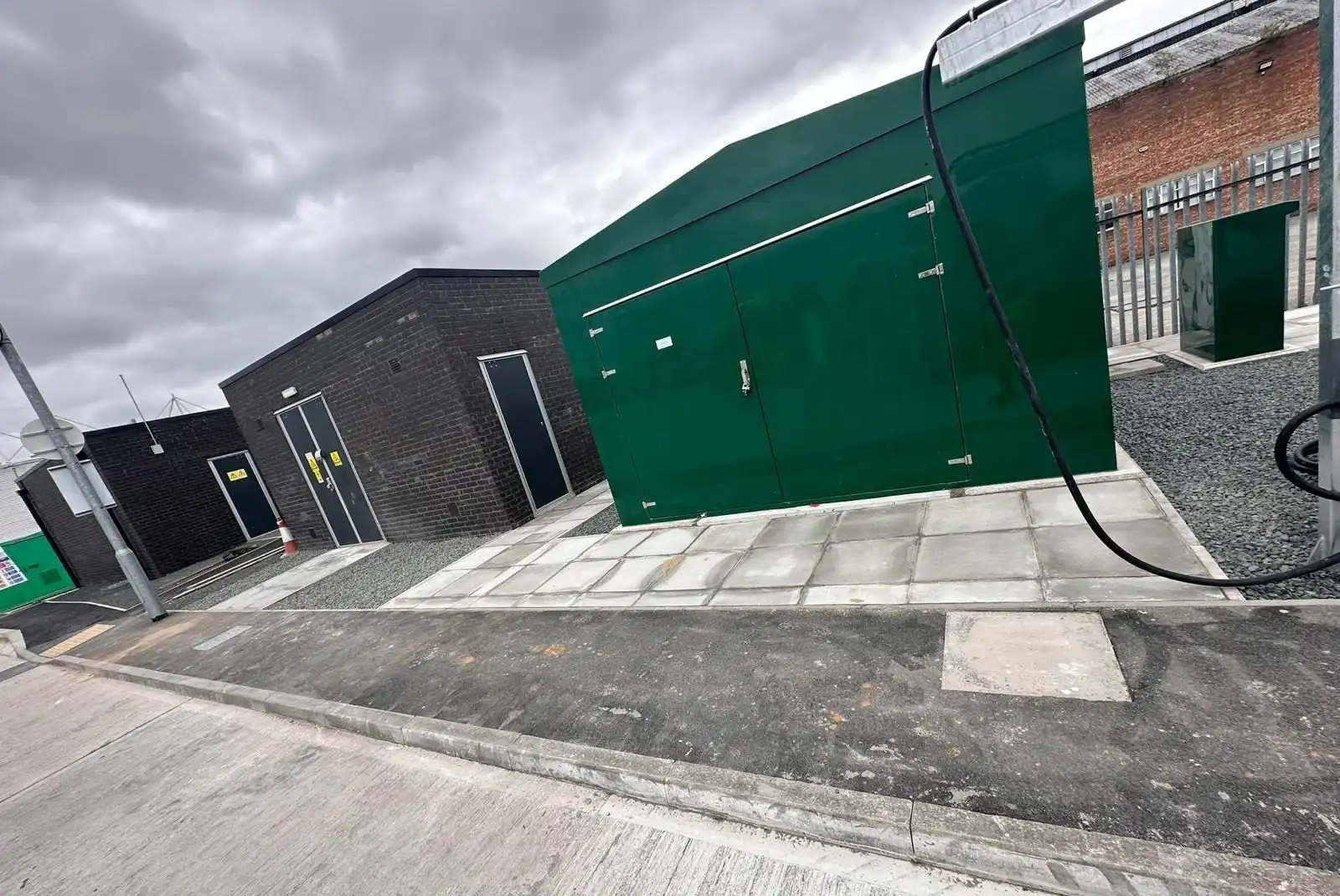
The finished appearance of a site comes from several connected activities. Brickwork and blockwork contribute to the built elements; kerbing and paving organise edges and surfaces. The scope should describe where each finish starts and ends, and how it meets neighbouring work. Use drawings and material information to make those expectations visible.
Finishing activities should appear in the programme alongside the earlier civil work. If a pathway or paved area is reinstated before another team has completed its access requirements, the project may create avoidable rework. Reviewing the sequence as a whole helps the team agree when a finished area can be handed over.
Build one coordinated scope
The most useful project conversation connects the activities instead of treating each as a separate quotation. List the required services, the information that defines them and the interfaces between them. Agree a process for changes and record any exclusions clearly. That shared scope becomes a practical reference as the project develops.
FI Construction Services Ltd's six published services cover excavation, ducting and cable installation, shuttering and steel works, concreting, kerbing and paving, and bricklaying and blockwork. Explore the individual pages for the original service descriptions and photographs. When contacting the team, include the site location, current drawings and the part of the package you would like to discuss.
Further reading
HSE: excavations ↗New editorial content prepared for this design concept. General project-planning information; specific work follows the appointed project team’s design and site requirements.