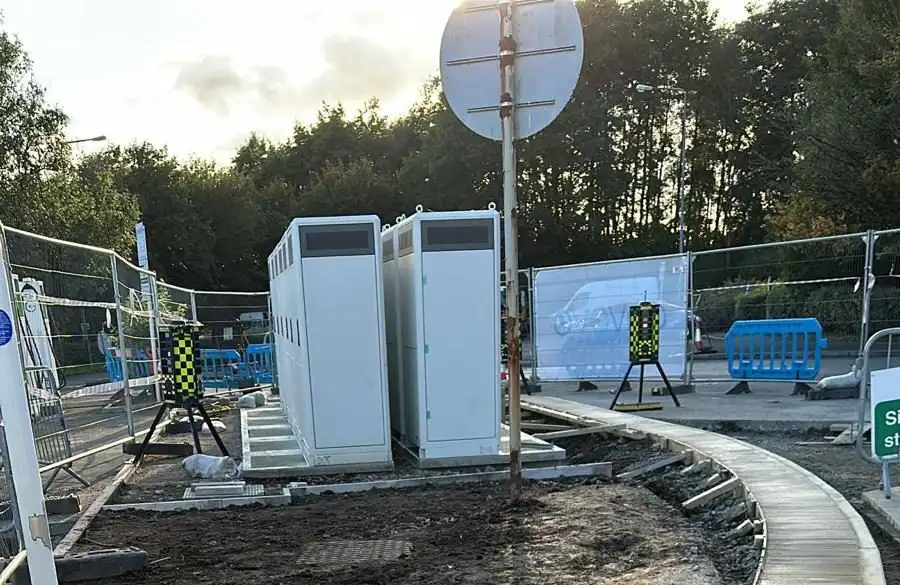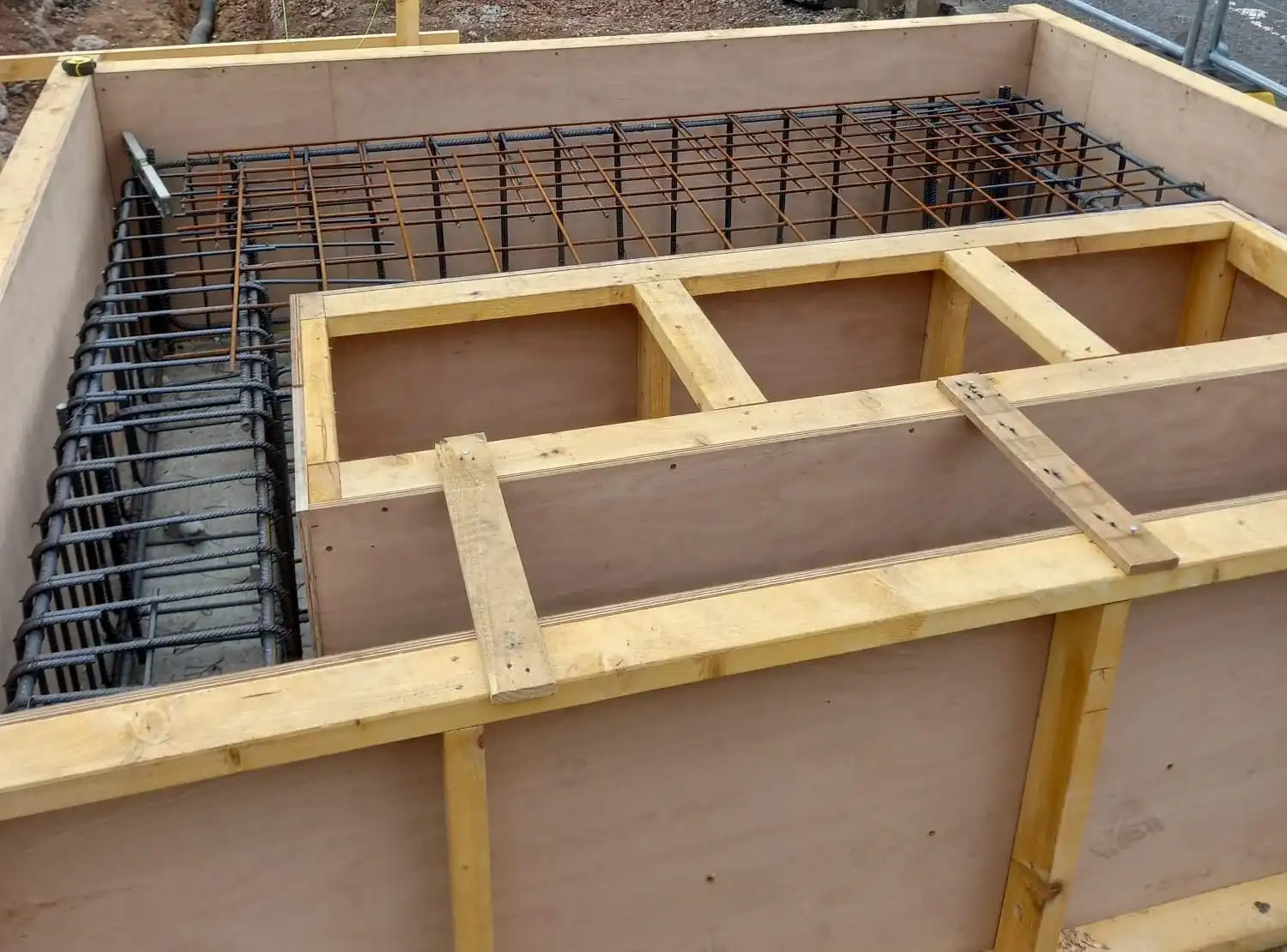
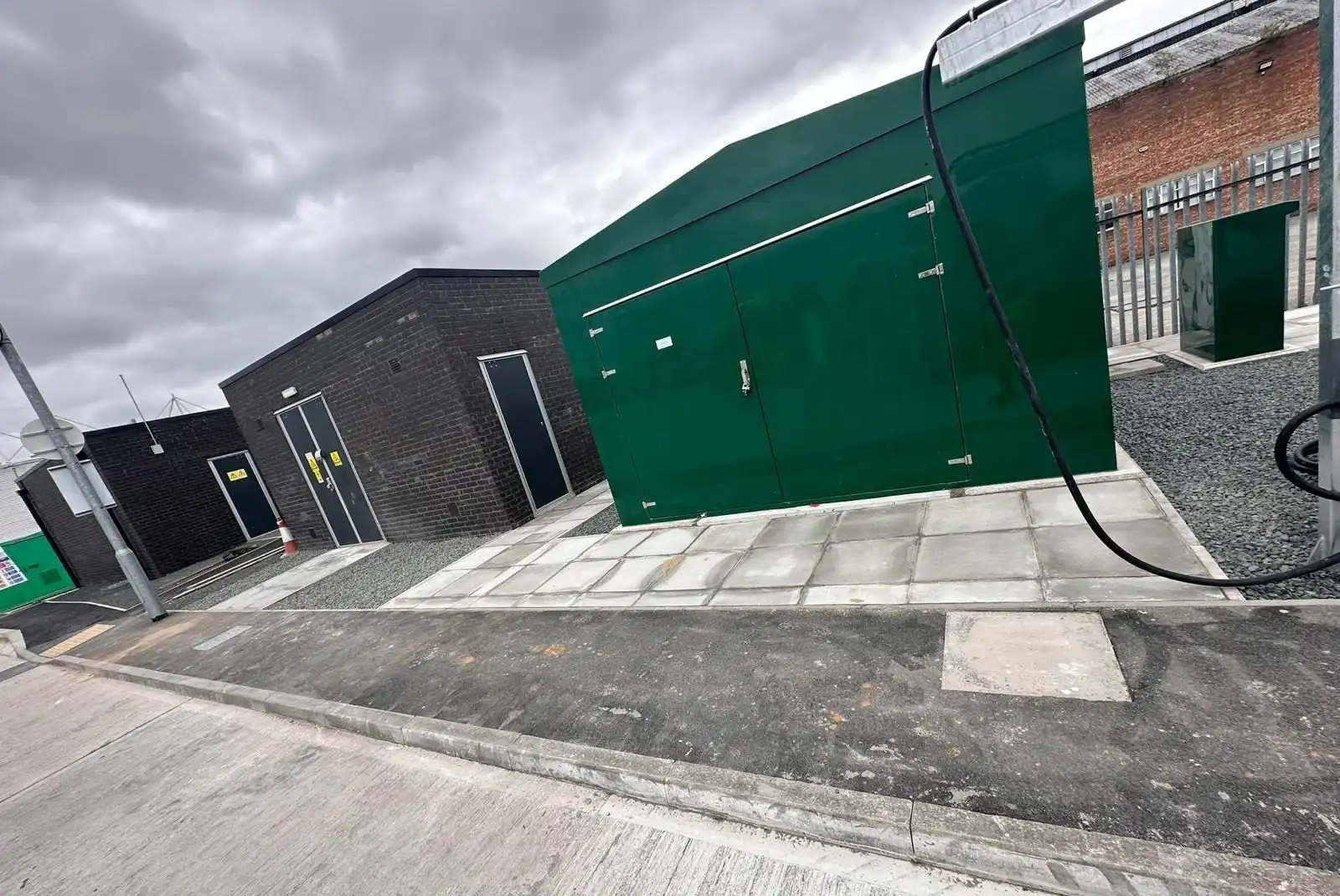
Construction is rarely the only activity happening on a site. Depots, forecourts and public visitor locations have an existing rhythm. A clear plan for the civil works should recognise that rhythm before plant, materials or people arrive.
Understand the operator's working day
Begin by asking how the site functions. Identify the activities that cannot be interrupted and the routes people and vehicles use throughout the day. A depot may have concentrated movement around shift changes; a visitor site may have different requirements around busy opening periods. The operator is best placed to explain these patterns.
Record the relevant constraints in the project brief. Do not rely on an informal assumption that everyone understands the site. If certain areas are available only at agreed times, make those limitations visible in the programme. The civil team can then discuss a sequence based on the site's real conditions.
Break the package into understandable phases
A phased plan helps the project team see where work will be taking place and what will be handed back between stages. Define the areas affected by each phase, the activities to be completed and the decision that releases the next stage. Keep the plan clear enough for the operator and different contractors to use in the same meeting.
Phasing is more useful when it includes interfaces, rather than simply dividing the calendar. An excavation area, an equipment installation and a surface reinstatement may involve different teams. A shared view of their dependencies helps prevent one activity from being treated as finished when the next team still needs access.
Keep access and deliveries in the conversation
Discuss how plant and materials reach the working area, where they will be stored and how the arrangements relate to the site's regular activity. A well-organised delivery plan starts with practical information about the available space. Where assumptions have been made, confirm them with the site operator before they become part of a fixed programme.
Construction planning should address the relevant site risks through the responsible project team. HSE's planning guidance is a useful reference for this wider process. The objective is a coordinated plan, supported by appropriate project information, rather than an improvised arrangement based solely on the contractor's arrival date.
Define who owns each decision
On a live site, a change can affect the operator, civil contractor, electrical contractor and designer at the same time. Agree a point of contact for each organisation. Keep requests and decisions recorded, particularly when they change the layout, access arrangements or sequence of work. This gives everyone a common reference.
Brief coordination meetings can be effective when the discussion is specific. Review the next working area, the information needed to release it and any decisions that are outstanding. A short list of responsibilities and dates is easier to act on than a general request to keep the project moving.
Plan the return to normal operation
Handover is part of the programme. Agree how the completed area will be reviewed, what information the operator needs and how outstanding items will be resolved. Include reinstatement in the defined package so that the end of construction is connected to the site's return to regular use.
FI Construction Services Ltd's original case studies include works at JET petrol stations, Stourhead National Trust and Warrington Bus Depot. These settings illustrate the range of environments in which civil infrastructure is delivered. Read the published project details and review the site photographs to understand the scope described for each location. For a new enquiry, share the operational constraints alongside the drawings so the team can discuss a suitable groundworks package.
Further reading
HSE: planning for construction work ↗New editorial content prepared for this design concept. General project-planning information; specific work follows the appointed project team’s design and site requirements.